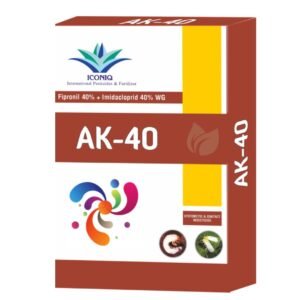
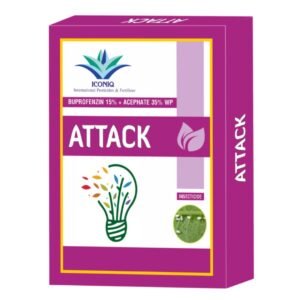
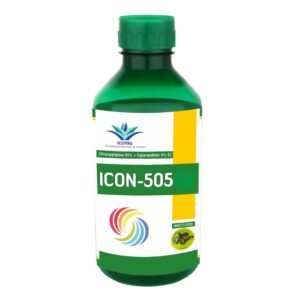
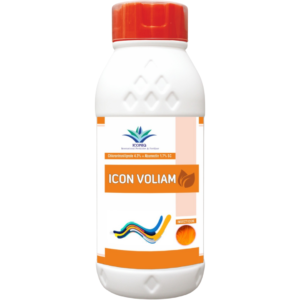
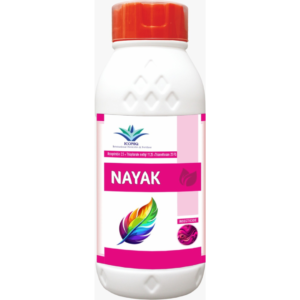
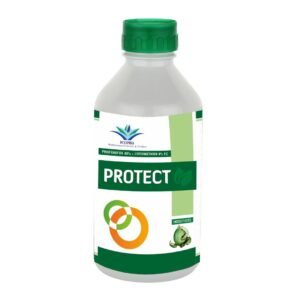
Insecticides are chemical or biological substances used to control, repel, or eliminate insect pests that can harm crops, gardens, and even human health. These essential tools in agriculture and pest management are designed to protect plants from insect damage, which can lead to decreased yields, poor plant health, and the spread of diseases. Insects can cause significant harm to both food and ornamental plants, making insecticides a vital part of modern farming and gardening practices.
Insecticides work by targeting specific physiological processes in insects, such as disrupting their nervous system, growth patterns, or reproductive abilities. There are various types of insecticides, including chemical insecticides, which are synthetic chemicals designed to kill pests, and biological insecticides, which use naturally occurring organisms like bacteria, viruses, or fungi to target specific pests. Additionally, there are natural or organic insecticides derived from plant-based materials, offering an eco-friendly alternative to synthetic options.
These products come in different forms, including sprays, dusts, granules, and baits, allowing for flexible application depending on the type of pest and the environment. For example, systemic insecticides are absorbed by plants and affect pests feeding on them, while contact insecticides kill insects upon direct contact. Biological insecticides, like Bacillus thuringiensis (Bt), are often used in organic farming as they specifically target harmful insects without affecting beneficial organisms.
While insecticides are effective in managing pest populations, their use requires caution. Over-reliance on chemical insecticides can lead to resistance in pest populations and harm beneficial insects like bees. Integrated pest management (IPM) techniques, which combine chemical, biological, and cultural controls, are increasingly emphasized to reduce environmental impact and promote sustainable pest management. In summary, insecticides are crucial tools for protecting crops and plants, but their responsible use is key to maintaining ecological balance and long-term effectiveness.