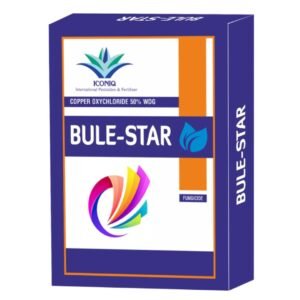
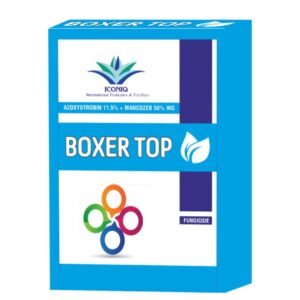
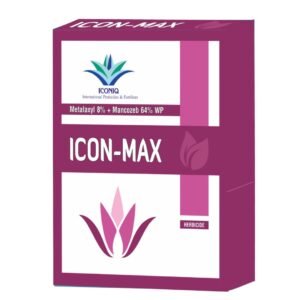
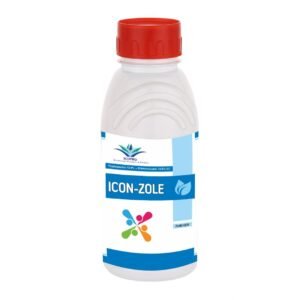
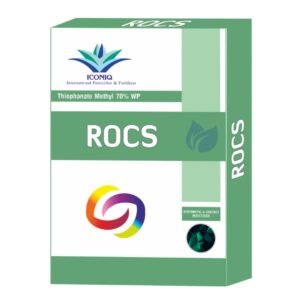
Fungicides are chemical or biological substances used to prevent, control, or eliminate fungal infections that can damage plants, crops, and even structures. Fungi, such as molds, mildew, rust, and blight, are common threats to plant health, often causing diseases that can lead to crop loss, reduced yields, and poor plant quality. Fungicides play a crucial role in agricultural and horticultural practices by protecting plants from these harmful pathogens, ensuring optimal growth and productivity.
Fungicides work by targeting specific fungal pathogens in different ways. Some fungicides inhibit the growth of the fungus, preventing it from spreading, while others may kill the fungus outright. These products are available in various forms, including sprays, dusts, granules, and systemic formulations. Systemic fungicides are absorbed by plants and provide long-lasting protection, while contact fungicides remain on the surface of the plant and protect against new fungal infections.
Fungicides can be classified into two main categories: chemical fungicides, which are synthetic substances designed to target and control fungi, and biological fungicides, which are naturally occurring organisms, like beneficial bacteria or fungi, used to control harmful pathogens. Organic and natural fungicides, such as neem oil and sulfur, offer an eco-friendly alternative to synthetic chemicals, making them popular in organic farming and gardening.
While fungicides are effective tools for disease management, their use must be managed carefully. Overuse or improper application can lead to resistance, harming beneficial microorganisms and affecting environmental health. Integrated pest and disease management (IPM) practices, which combine fungicides with other cultural and biological controls, are encouraged to reduce the reliance on chemical treatments and promote sustainable agricultural practices.
In conclusion, fungicides are essential for protecting plants from fungal diseases, ensuring healthy growth and high-quality yields. Their responsible use is crucial to maintaining plant health and minimizing potential negative environmental impacts.